
Top Problems Interlocking Floor Tiles Solve That Concrete Floors Do Not
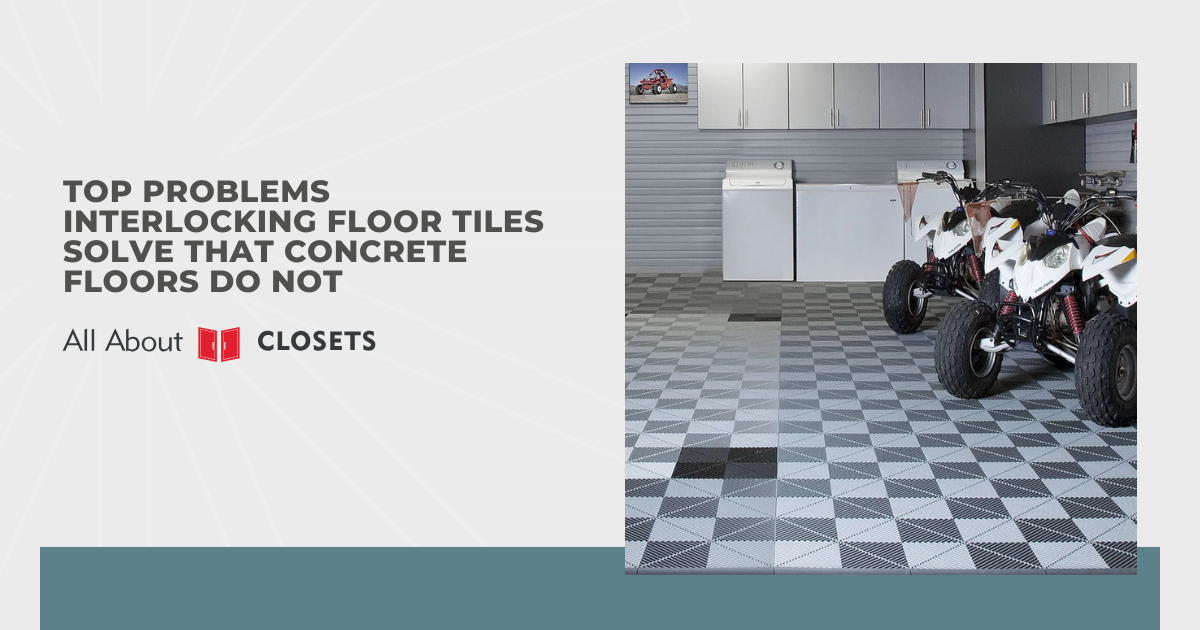
Concrete floors are everywhere. I see them most often in garages, basements, home gyms, and workspaces, usually because they feel like the simplest option. If you’re working or spending time on one regularly, though, you’ve probably noticed that concrete comes with a set of frustrations. This is usually the point where interlocking floor tiles start to make a lot more sense.
From what I’ve seen, concrete works well as a foundation, but it rarely works well as a finished surface. Cracks show up, moisture becomes an issue, and the floor stays cold, hard, or slippery depending on the space. You can patch, seal, or coat it, but those fixes tend to be temporary and often introduce new problems of their own. Interlocking floor tiles solve many of these issues without fighting the concrete underneath.
Below, I’ll walk you through the top problems interlocking floor tiles solve that concrete floors do not:
- Cracking and surface damage that develops over time
- Moisture seepage, condensation, and water-related issues
- Cold, hard surfaces that reduce comfort
- Slippery conditions and ongoing safety concerns
- Limited design and aesthetic flexibility
- Costly, disruptive repairs and surface updates
- Noise and vibration transfer in active spaces
- Long installation times and lack of flexibility
Now let’s go through each issue one by one and see how interlocking floor tiles make a difference.
Cracking and Surface Damage Over Time
Cracking is one of the most common frustrations I hear with concrete floors. Even well-poured concrete shifts over time due to temperature changes, settling, and regular use. Hairline cracks turn into visible fractures, and surface chipping becomes harder to ignore the longer the floor is in service. If you use the space daily, those imperfections stop feeling cosmetic very quickly.
Concrete repairs tend to be temporary and disruptive. Patching cracks or resurfacing sections often means downtime, uneven results, or repeating the process again later. I’ve watched people invest time and money into fixes that still leave the floor looking worn. The problem isn’t poor maintenance. It’s that concrete wasn’t designed to stay flawless under constant stress.
Interlocking floor tiles approach this issue from a different angle. Instead of trying to prevent movement entirely, they float over the concrete and absorb minor shifts underneath. Cracks and surface flaws stay hidden, and new ones don’t telegraph through the finished floor. You get a surface that looks consistent even as the concrete below continues to age.
Another advantage is how easy it is to deal with damage if it ever happens. A single tile can be replaced without tearing up the entire floor. There’s no grinding, curing, or waiting involved. For spaces that see real use, this flexibility makes a noticeable difference over time.
Moisture Seepage and Water Issues
If you’ve ever hesitated to place storage, equipment, or even a mat directly on a concrete floor, moisture is usually the reason. Floors that feel damp, cold, or slightly slick often aren’t dealing with a leak, just concrete doing what it naturally does. Moisture moves through it, sits on it, and lingers longer than expected. Over time, that constant exposure becomes hard to ignore.
The challenge with concrete is that it offers no relief once moisture shows up. Water has nowhere to go, so it either stays on the surface or gets trapped against anything resting on it. Sealers and coatings can slow the process, but they don’t change how concrete behaves underneath. In many spaces, moisture becomes an ongoing condition rather than an occasional issue.
This is where the construction of the floor itself starts to matter. Interlocking floor tiles create space between the concrete and the surface you actually use. Airflow underneath allows moisture to evaporate instead of collecting, and small amounts of water can move away without affecting what’s on top. The finished floor stays usable even when conditions below aren’t ideal.
In spaces where humidity, spills, or ground moisture are part of daily life, that separation changes everything. You stop managing moisture at the surface level. The floor system handles it quietly below, and the space becomes far more reliable as a result.
Cold, Hard, and Uncomfortable Surfaces
Spending time on a concrete floor changes how a space gets used. Tasks that require standing are shortened, workouts feel more taxing, and work that should feel manageable starts to feel tiring faster than expected. The issue isn’t just temperature. It’s the combination of cold and rigidity that concrete brings into everyday use.
Concrete pulls heat out of the room and gives nothing back underfoot. Even with rugs or mats, the surface underneath remains unforgiving. Over time, that constant hardness affects posture, joints, and overall comfort. In spaces designed for activity, concrete works against you rather than supporting what you’re doing there.
A flooring system that adds separation makes a noticeable difference. Interlocking floor tiles sit above the concrete, creating insulation and a small amount of flex that concrete simply can’t offer. Standing feels more balanced, movement feels easier, and the room itself feels less harsh. You notice the change not because it’s flashy, but because your body responds differently.
This kind of improvement often changes how often the space gets used. Areas that felt cold or punishing become places you’re willing to spend time in again. Comfort stops being something you work around. It becomes part of how the space functions day to day.
Slippery Surfaces and Safety Concerns
Concrete floors can feel safe right up until something goes wrong. A bit of moisture, dust, or fine debris is enough to turn a smooth concrete surface slick. In garages, gyms, or workspaces, that risk shows up quickly, especially in areas where spills or condensation are common. What looks solid can become unpredictable without much warning.
Sealers and polished finishes often make the problem worse. While they’re meant to protect the surface, they can reduce traction even further once water or sweat is involved. Textured coatings help in some cases, but they wear down and aren’t easy to refresh. Safety ends up depending on conditions instead of design.
Flooring built with traction in mind changes that dynamic. Interlocking floor tiles are designed with textured surfaces that maintain grip even when conditions aren’t ideal. Moisture doesn’t spread across the surface the same way, and footing feels more controlled. The difference shows up during everyday movement, not just obvious risk moments.
For spaces where people lift, move, or work with equipment, that added stability matters. You’re not adjusting how you walk or where you step. The floor supports safer movement without constant awareness. Reliability becomes one of the clearest advantages over bare concrete.
Limited Design and Aesthetic Options
The look of a floor has a bigger impact on a space than most people expect. It sets the tone immediately and influences how finished or flexible the room feels. In many utility spaces, the visual outcome gets decided early and rarely revisited. That’s where frustration tends to show up later.
Once a surface is poured, design options become narrow. Paint, stains, and coatings offer some variation, but they’re fixed choices that don’t adapt easily. Wear shows unevenly, colors fade, and changing direction usually means stripping or resurfacing the entire floor. Visual updates become expensive and disruptive rather than simple.
With interlocking floor tiles, the approach to design is far less rigid. Colors and patterns can be combined to define areas, soften industrial spaces, or create a more finished look without committing to a single treatment. Individual sections can be swapped or refreshed without touching the rest of the floor. The result is a surface that can evolve without requiring a full redo.
For rooms that serve more than one purpose, this flexibility makes a clear difference. The floor no longer dictates how the space should look or feel. It adapts alongside everything else happening in the room. That kind of freedom is difficult to achieve with a permanent surface like concrete.
Difficult and Costly Repairs or Updates
Floor damage rarely stays contained on concrete. A crack spreads, a stain sets in, or wear becomes more noticeable in high-traffic areas, and suddenly the entire surface feels compromised. Because concrete is a single, continuous slab, even localized issues tend to affect how the whole floor looks and functions. Fixing one problem often means dealing with much more than expected.
Most repair options for concrete come with disruption built in. Grinding, patching, resurfacing, or recoating requires clearing the space and waiting through drying or curing time. Results don’t always blend cleanly, which can leave repaired areas standing out instead of disappearing. Updates meant to improve the floor often introduce new inconvenience.
A flooring approach that allows for targeted fixes changes that experience entirely. Individual sections can be removed, replaced, or refreshed without disturbing the rest of the space. Interlocking floor tiles make it possible to address damage exactly where it occurs rather than treating the floor as an all-or-nothing surface. Maintenance stays manageable instead of escalating into a full project.
This kind of flexibility keeps repairs from being delayed or avoided altogether. Small issues stay small because they’re easier to deal with. Updates feel optional rather than overwhelming. Compared to concrete, this makes ongoing upkeep far more practical and far less disruptive.
Noise and Vibration Transfer
Some spaces feel louder than expected, even during normal use. Footsteps echo, dropped tools sound harsher, and equipment vibrations travel farther than they should. Garages, home gyms, and workshops tend to highlight the problem quickly. The floor plays a bigger role in sound and vibration than most people realize.
A solid slab reflects impact rather than absorbing it. Vibrations move straight through the surface and into surrounding walls, which makes noise feel amplified throughout the space. In shared or multi-level homes, sound often carries well beyond the room where it starts. Activity on the floor rarely stays contained.
After spending time in spaces like these, I’ve noticed how much difference a small amount of separation can make. Using interlocking floor tiles adds a buffer between the activity and the concrete below, which changes how sound behaves. Impact feels softer, and vibration is less likely to travel outward into surrounding areas. The room feels quieter and more controlled during everyday use.
Spaces used regularly benefit from reduced noise and gentler impact. Movement feels less jarring, and equipment use creates less background disruption. The floor supports the activity instead of amplifying it. Achieving that balance is difficult with concrete alone.
Installation Time and Flexibility
Floor projects often take longer than expected, especially with concrete. Prep work, repairs, coatings, and curing time can stretch a simple update into days or even weeks. During that period, the space is usually unusable. For areas that serve a daily purpose, extended downtime quickly becomes inconvenient.
Permanent decisions come with most concrete solutions. Changes later on often require grinding, resurfacing, or tearing things out completely. Even small updates can turn into major disruptions. Flexibility rarely factors into how concrete floors are planned.
I tend to recommend options that work around existing schedules instead of interrupting them. Interlocking floor tiles install directly over concrete with minimal prep and no curing time. The space can be used immediately, and layouts can be adjusted or expanded without committing to a full renovation. Flooring becomes adaptable rather than fixed.
Spaces that get regular use benefit from this kind of flexibility. Updates feel manageable instead of overwhelming. Adjustments happen as needs change, without turning into full-scale projects. The process stays practical and forgiving from start to finish.
Conclusion
Concrete works as a foundation, but daily use often reveals limits it was never meant to solve. After working in and around these spaces, it’s clear how many practical problems stem from relying on bare concrete alone. Interlocking floor tiles address those issues by improving comfort, safety, flexibility, and long-term usability without turning flooring into a major project. The difference shows up in how the space feels to use, maintain, and adapt as needs change. For anyone weighing function alongside durability, interlocking floor tiles offer solutions concrete floors simply can’t provide on their own.

George obtained a Master of Science Engineering Degree from New Jersey Institute of Technology. After graduation, he worked at AT&T Bell Labs and Lucent Technologies after the company split. With an extensive background in construction management and ergonomic space design, spanning residential and commercial, designing and installing closets in New Jersey is second nature for him.