
How Much Does It Cost to Install Garage Cabinets?
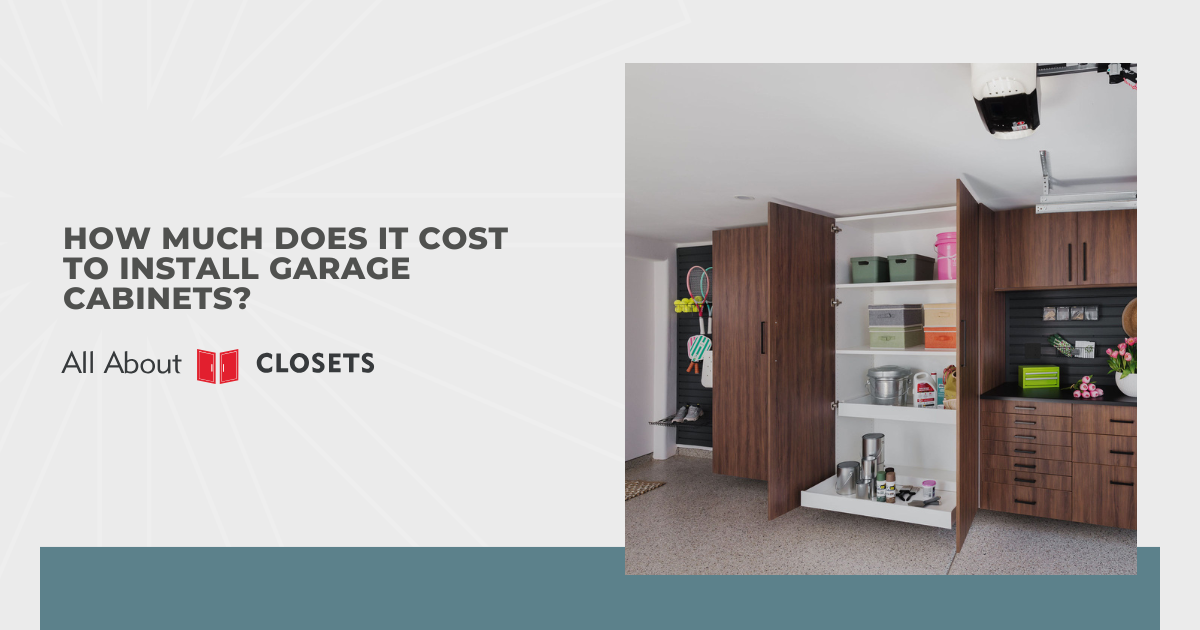
Few home improvement projects come with as much pricing uncertainty as garage cabinets, and most homeowners feel it the moment they start getting quotes. For many, the cost of garage cabinets feels like a moving target, with numbers varying wildly depending on who you ask and what you're looking for. As someone who's worked with homeowners across the Northeast, I know how overwhelming it can be to walk into this kind of project without a clear sense of what to expect. Armed with the right information, you'll find that budgeting for garage cabinets is far less complicated than it first appears.
Cabinet pricing isn't one-size-fits-all, and that's actually a good thing. Whether you're outfitting a modest single-car garage or a sprawling three-car space, there's a cabinet solution at virtually every price point. What you pay will ultimately come down to the type of cabinets you choose, the materials they're made from, the size of your garage, and how complex the installation turns out to be. Each of these factors is worth understanding before you spend a single dollar.
Below, I'll walk you through what each of these factors actually means for your wallet, and what you can do to keep costs in check.
- Type of garage cabinets
- Cabinet material
- Garage size
- Cabinet dimensions and storage capacity
- Installation complexity
- Cabinet finish and design style
- Additional features and accessories
- How to get the most value out of your budget
Keep reading and you'll know exactly what questions to ask before committing to your next investment.
Type of Garage Cabinets
The type of garage cabinet you choose is the single biggest driver of your overall project cost. Stock, semi-custom, and custom cabinets each come with their own price range, and understanding the difference helps you set realistic expectations from the start.
- Stock cabinets ($300 to $1,500): Pre-made and available off the shelf, stock cabinets are the most affordable option with the fastest turnaround time. They come in standard sizes and limited configurations, making them best suited for straightforward garage layouts with no unusual dimensions.
- Semi-custom cabinets ($1,500 to $5,000): Offering more sizing options, finish choices, and design flexibility than stock, semi-custom cabinets strike a solid balance between affordability and personalization. They work well for most homeowners without the full price tag of a completely custom build.
- Custom cabinets ($5,000 to $20,000+): Built to exact specifications, custom cabinets deliver a precise fit, a specific aesthetic, and a layout that standard sizes simply can't accommodate. The investment is higher, but the result is a storage system that feels purpose-built for the space.
The gap in price between stock and custom can be significant, so it's worth deciding early on how much customization your garage actually needs. A well-planned stock or semi-custom system often delivers excellent results at a fraction of the cost of going fully custom.
Cabinet Material
Material choice has a direct and significant impact on both the upfront cost and long-term value of your garage cabinets. Each option comes with its own strengths in terms of durability, appearance, and price.
- Steel, aluminum, and metal ($500 to $3,000+): The most durable options available, steel and aluminum cabinets resist moisture, dents, and daily wear exceptionally well. Aluminum is lighter and naturally rust-proof, while steel offers superior strength at a slightly lower price point.
- Solid wood and plywood ($800 to $4,000+): Solid wood and plywood deliver a premium, furniture-grade look that elevates any garage space. Plywood is particularly strong and moisture-resistant, making it a smart long-term investment for garage environments.
- MDF and particleboard ($400 to $2,000): Budget-friendly and widely available, MDF and particleboard are smooth, easy to paint, and deliver a clean, consistent finish. They work especially well in climate-controlled garages where a polished look is the priority.
- Laminate and melamine ($300 to $1,800): Applied over a base material, laminate and melamine finishes offer a clean, polished look at an accessible price point. High-pressure laminate in particular delivers impressive durability and a refined aesthetic worth the modest investment.
- Plastic and resin ($200 to $800): Lightweight, moisture-resistant, and easy to assemble, plastic and resin cabinets are a practical and affordable entry point into garage organization. They work well for lighter storage needs and are a solid first step toward a more organized space.
Material durability directly influences how long your cabinets will last and how much maintenance they'll require over time. Spending a little more on a higher-quality material upfront almost always proves to be the smarter financial decision in the long run.
Garage Size
Garage size plays a bigger role in the final price than most people expect. The more square footage you're working with, the more cabinets you'll need. Most professional installers price projects by the linear foot of wall coverage, so knowing your dimensions before getting quotes puts you in a stronger position. Wall space, ceiling height, and floor area all factor into the final cost.
If you're working with a single-car garage, typically around 12 by 20 feet, you're looking at a more contained project. Expect to spend anywhere from $1,000 to $4,000 depending on the materials and cabinet type you choose. The smaller footprint means faster installation and lower labor costs. It's also the perfect starting point if this is your first cabinet project.
A two-car garage, averaging around 20 by 20 feet, gives you significantly more wall space to work with. A complete system at this scale typically runs between $3,000 and $10,000 depending on customization and materials. The extra wall coverage opens up room for dedicated storage zones, workbenches, and specialty configurations. It's an investment that pays off quickly in convenience and long-term home value.
Three-car and oversized garages are the most complex projects, with costs ranging from $8,000 to $20,000 or more. Having seen projects of this scale come together, I can say the result's consistently one of the most impressive transformations you can make to your property. The wall space available opens up possibilities simply not achievable in smaller garages. Careful planning is essential to making the most of every square foot.
Cabinet Dimensions and Storage Capacity
Cabinet size is one of those cost drivers that sneaks up on you if you're not paying attention. Taller, deeper, and wider units require more material and more precise installation, both of which add to the final bill. Whether you're prioritizing floor-to-ceiling storage, counter-height access, or overhead space, each cabinet type comes with its own price point worth knowing before you commit.
Tall cabinets run from floor to ceiling and offer the most storage capacity per unit, making them a strong choice for maximizing vertical space. Base cabinets sit at counter height and are ideal for heavier items that need frequent, easy access. Overhead cabinets mount above eye level and put otherwise wasted wall space to work, though the added installation complexity can push costs slightly higher. A layout that combines all three types typically delivers the most functional and well-rounded storage system.
Deeper and wider units command higher prices than standard dimensions, but they also deliver significantly more storage per cabinet. Standard dimensions work well for most setups, but oversized units are worth the added cost when your storage needs genuinely call for them. Before finalizing your cabinet selection, think carefully about what you're storing, how much of it there is, and how frequently you'll need to access it. Those answers will guide you toward the right dimensions and help you avoid paying for more cabinets than you actually need.
Installation Complexity
People budget carefully for cabinets and forget that installation can be just as significant an expense, something I've seen play out more times than I can count. Wall conditions, flooring issues, and layout complexity all influence how straightforward or involved the process turns out to be. A simple freestanding setup in a garage with flat, solid walls is a very different job from a fully wall-mounted system in a space with uneven surfaces or existing fixtures to work around. The more complex the installation, the more time it takes, and time is what drives labor costs up.
Wall conditions are one of the biggest variables in installation pricing. Drywall is the easiest surface to work with, while concrete and masonry walls require specialized anchors and drilling equipment that add both time and cost. Uneven or damaged walls may need preparation work before cabinets can be properly mounted. Knowing your wall type and condition before getting quotes helps you avoid surprises when the installer shows up.
Uneven flooring is easy to overlook but can meaningfully impact installation time and cost. Freestanding cabinets need a level surface to sit properly, and when the floor isn't level, shimming and adjustments are required. Custom fitting in oddly shaped or oversized garages adds another layer of complexity that experienced installers account for in their pricing. Reputable installers will flag these issues during an initial walkthrough, which is exactly why getting a site visit before committing to a quote is worth the time.
Cabinet Finish and Design Style
The difference between a standard finish and a premium one might seem subtle in a showroom, but it shows up clearly in the final price and how your cabinets age. Your finish choice affects aesthetics, durability, and long-term maintenance in equal measure.
- Powder-coated finishes: Powder coating creates a thick, durable layer that resists chipping, scratching, and fading far better than standard paint, making it one of the most reliable finish options available.
- Gloss vs. matte finishes: High-gloss finishes reflect light and give cabinets a polished, showroom-quality look, while matte finishes offer a more understated aesthetic that's more forgiving with fingerprints and everyday wear.
- Wood grain and textured finishes: These premium finishes mimic the warmth and depth of real wood while delivering the durability of engineered materials, and they typically come at a higher price point than standard smooth finishes.
- Modern vs. standard designs: Sleek, modern designs with clean lines, handleless doors, and contemporary hardware require more precise manufacturing tolerances, which is reflected in the price.
- Color options and premium aesthetics: Standard colors are typically included in the base price, while custom or premium color options carry an additional cost that varies by manufacturer and finish type.
A well-chosen finish that complements your home's overall aesthetic makes your garage cabinet upgrade feel intentional and adds real perceived value to the space. Treat finish and design as an investment rather than an afterthought and you'll be far happier with the end result.
Additional Features and Accessories
There are few parts of a garage cabinet project are as personal as the accessories you choose to add. The features that matter most depend entirely on how you use the space and what you're storing in it.
- Soft-close drawers: A small but meaningful upgrade, soft-close mechanisms extend the lifespan of your cabinet hardware and add a premium feel to everyday use.
- Workbenches: A built-in workbench transforms your garage from a storage space into a fully functional workspace, and it's one of the most sought-after add-ons for good reason.
- Slatwall systems: Mounted alongside or above your cabinets, slatwall panels add a flexible, customizable layer of storage for tools, accessories, and frequently used items.
- Lighting: Under-cabinet and interior cabinet lighting improves visibility, makes the space feel more polished, and adds a level of functionality that's hard to go back on once you have it.
- Locking cabinets: A practical necessity for households with children or anyone storing chemicals, power tools, or valuables in the garage.
- Specialty tool storage: Purpose-built inserts, drawer organizers, and tool-specific configurations keep your most-used equipment accessible and protected.
In my experience, the accessories homeowners skip early on are often the ones they circle back to add later at a higher cost. Thinking through your must-haves upfront saves both time and money down the road.
How to Get the Most Value Out of Your Budget
Durability should always take priority over the cheapest option available. A cabinet system that needs replacing in three years ends up costing more than a quality one bought once. Modular systems are worth considering since you can start with a core setup and expand as your budget allows. Focusing your initial investment on the highest-traffic storage areas ensures the most practical return on every dollar spent.
Professional design and installation are two areas where cutting corners tends to backfire. A well-designed layout maximizes every inch of available wall space and prevents costly mistakes that come from poor planning. Professional installers bring the experience and tools needed to handle wall conditions, uneven flooring, and complex configurations. The added cost of professional help is almost always recovered in the form of a better result and fewer follow-up fixes.
Balancing storage needs with aesthetics is the final piece of the puzzle. A garage that looks great but doesn't function well is just as frustrating as one that's purely utilitarian. Choosing finishes and features that serve both form and function ensures the investment holds its value over time. When every decision accounts for both practicality and appearance, the result is a garage that adds genuine value to your home and your daily life.
Conclusion
Understanding what drives the cost of garage cabinets puts you in a far stronger position to plan, budget, and shop with confidence. Material choice, cabinet type, garage size, installation complexity, and the accessories you add all play a role in the final number, and each decision is worth thinking through carefully. Quality chosen wisely at every stage of the process is what separates a garage storage system that delivers lasting value from one that falls short of expectations. Before you request a single quote, take the time to map out your needs, set a realistic budget, and find an installer whose experience matches the scope of your project.

George obtained a Master of Science Engineering Degree from New Jersey Institute of Technology. After graduation, he worked at AT&T Bell Labs and Lucent Technologies after the company split. With an extensive background in construction management and ergonomic space design, spanning residential and commercial, designing and installing closets in New Jersey is second nature for him.